
Dragonfly Facts, Species, Identification, Habitat, and Life Cycle
Dragonfly Facts helps readers understand dragonflies in clear, simple English. Learn how to identify common species, where dragonflies live, what they eat, how their larvae grow underwater, and why these fast-flying insects matter in freshwater habitats.
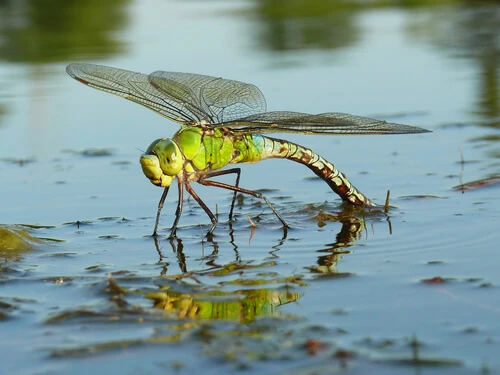
Simple explanations for students, teachers, gardeners, wildlife watchers, and curious readers.
What Do You Want to Learn About Dragonflies?
Use these starting points to find the right guide quickly, whether you are identifying a dragonfly, researching its life cycle, or learning why dragonflies live near water.
Identify a Dragonfly
Compare body shape, wings, colors, behavior, and habitat clues.
Understand the Life Cycle
Learn about eggs, aquatic nymphs, emergence, and adult dragonflies.
Learn What They Eat
See how dragonflies hunt as larvae and adults.
Explore Their Habitat
Find out why ponds, wetlands, streams, and clean water matter.
Explore Dragonfly Topics
Dragonfly Facts is organized by topic so readers can move from basic facts to deeper guides without getting lost in a long article list.
Dragonfly Basics
Start with simple, reliable explanations about what dragonflies are, how they fly, and why they are often seen near water.
Species and Identification
Learn how to recognize familiar dragonflies by color, size, markings, wing position, behavior, and habitat.
Life Cycle and Larvae
Dragonflies begin life in water. Learn how eggs hatch, how nymphs hunt underwater, and how adults emerge.
Habitat and Water
Dragonflies depend on freshwater environments such as ponds, lakes, wetlands, marshes, and slow-moving streams.
Diet and Behavior
Find out what dragonflies eat, how they hunt, when they are most active, and why they are such skilled aerial predators.
Meaning and Symbolism
Explore dragonfly symbolism, cultural meaning, color meanings, and the difference between natural facts and interpretation.
Featured Dragonfly Guides
These guides are useful entry points for readers who want practical answers instead of a long encyclopedia-style page.
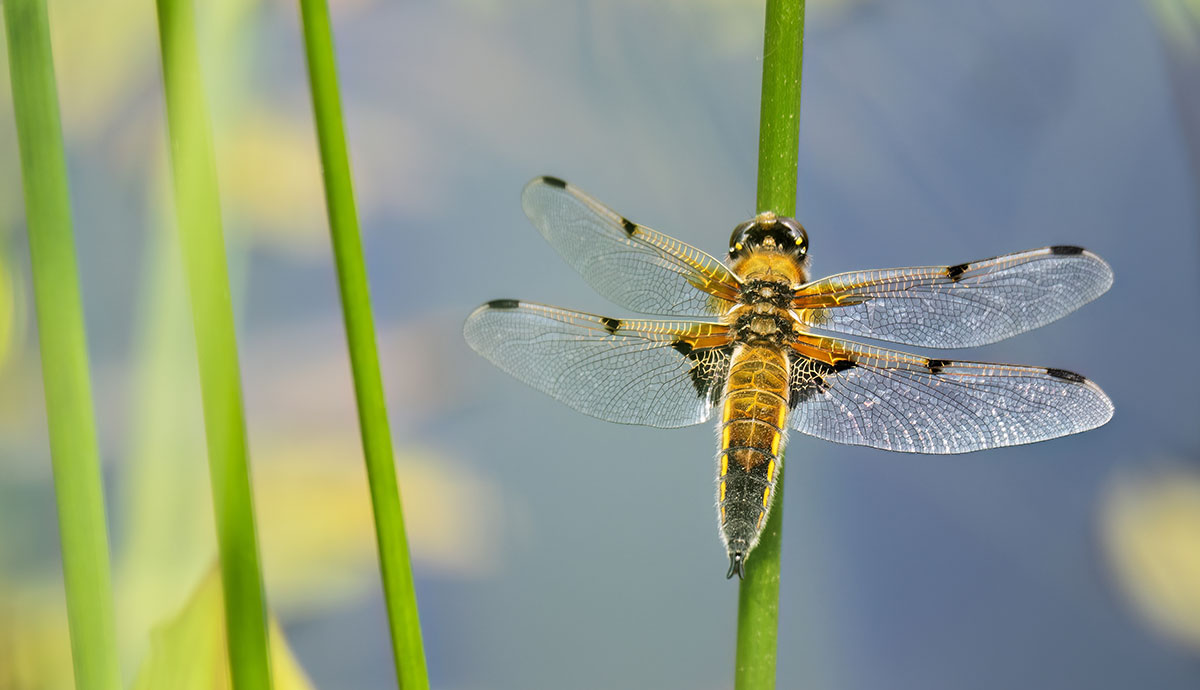
Common Dragonfly Species: A Beginner’s Guide
Learn how to recognize familiar dragonflies by looking at color, body shape, wing position, habitat, and behavior.
Read the guide →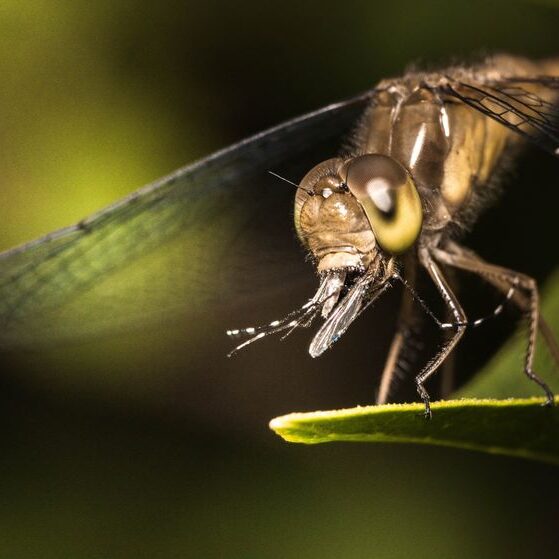
Do Dragonflies Live Near Ponds?
Understand why water is central to dragonfly eggs, larvae, hunting, and breeding behavior.
Read more →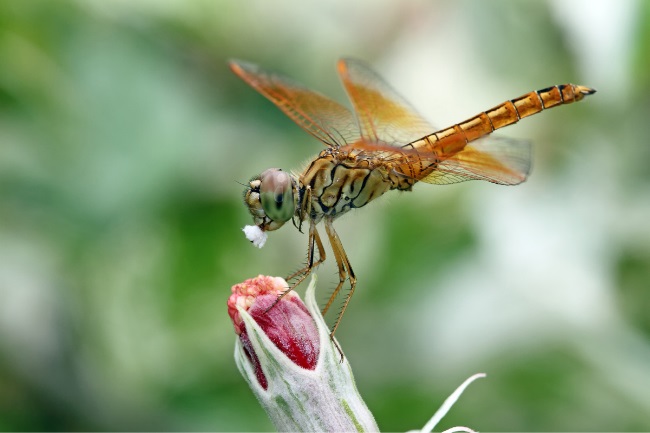
When Are Dragonflies Most Active?
Learn the best time of day and season to spot dragonflies near ponds, wetlands, and gardens.
Read more →Popular Dragonfly Questions
Quick entry points for common reader questions. Each answer should link to a deeper article when available.
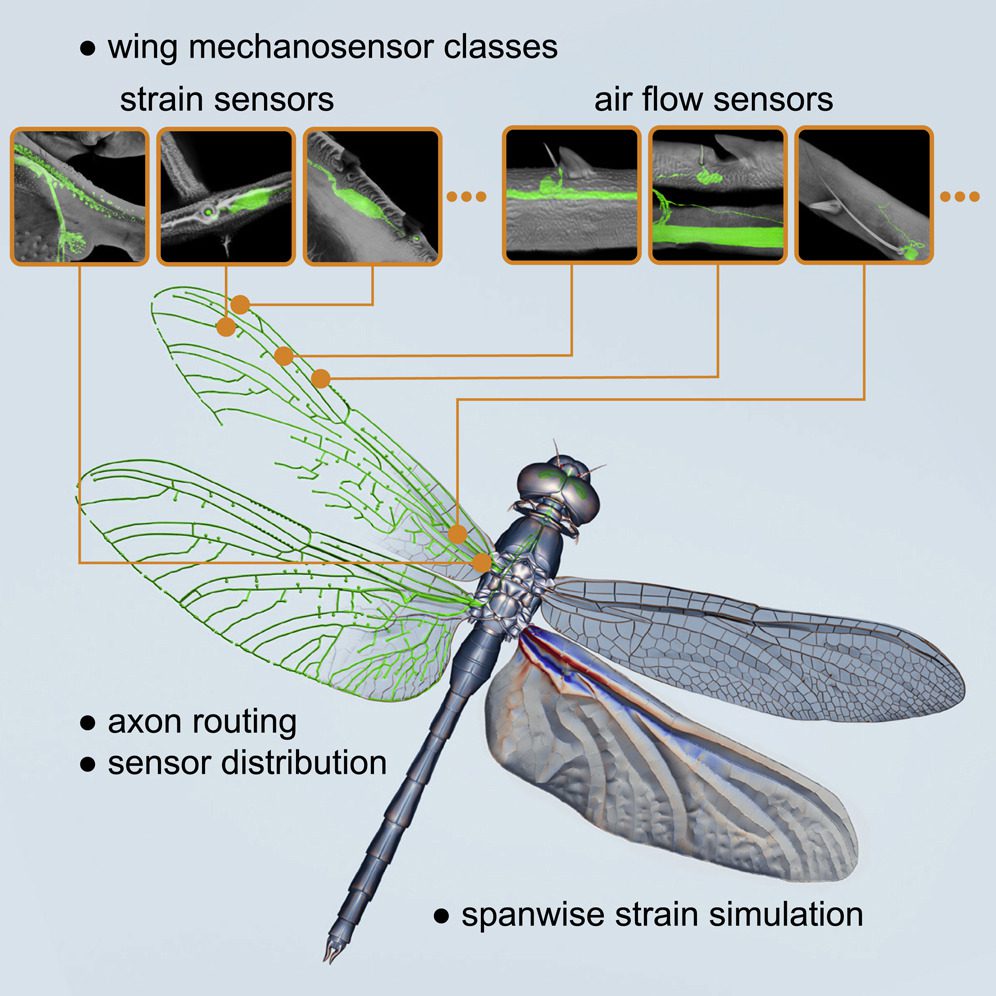
How to Use Dragonfly Facts
This site is built for readers who want simple, organized nature education. Start with a broad topic, then follow the related guides for more detail.
- Use the identification section if you are trying to recognize a dragonfly you saw outdoors.
- Use the life cycle and larvae sections if you are studying how dragonflies develop in water.
- Use the habitat section if you want to understand ponds, wetlands, streams, and garden environments.
- Use the diet and behavior section if you want to learn how dragonflies hunt and when they are active.
- Use the meaning section for symbolism and cultural interpretations, separate from biological facts.
Latest Dragonfly Articles
Recent beginner-friendly guides from Dragonfly Facts.
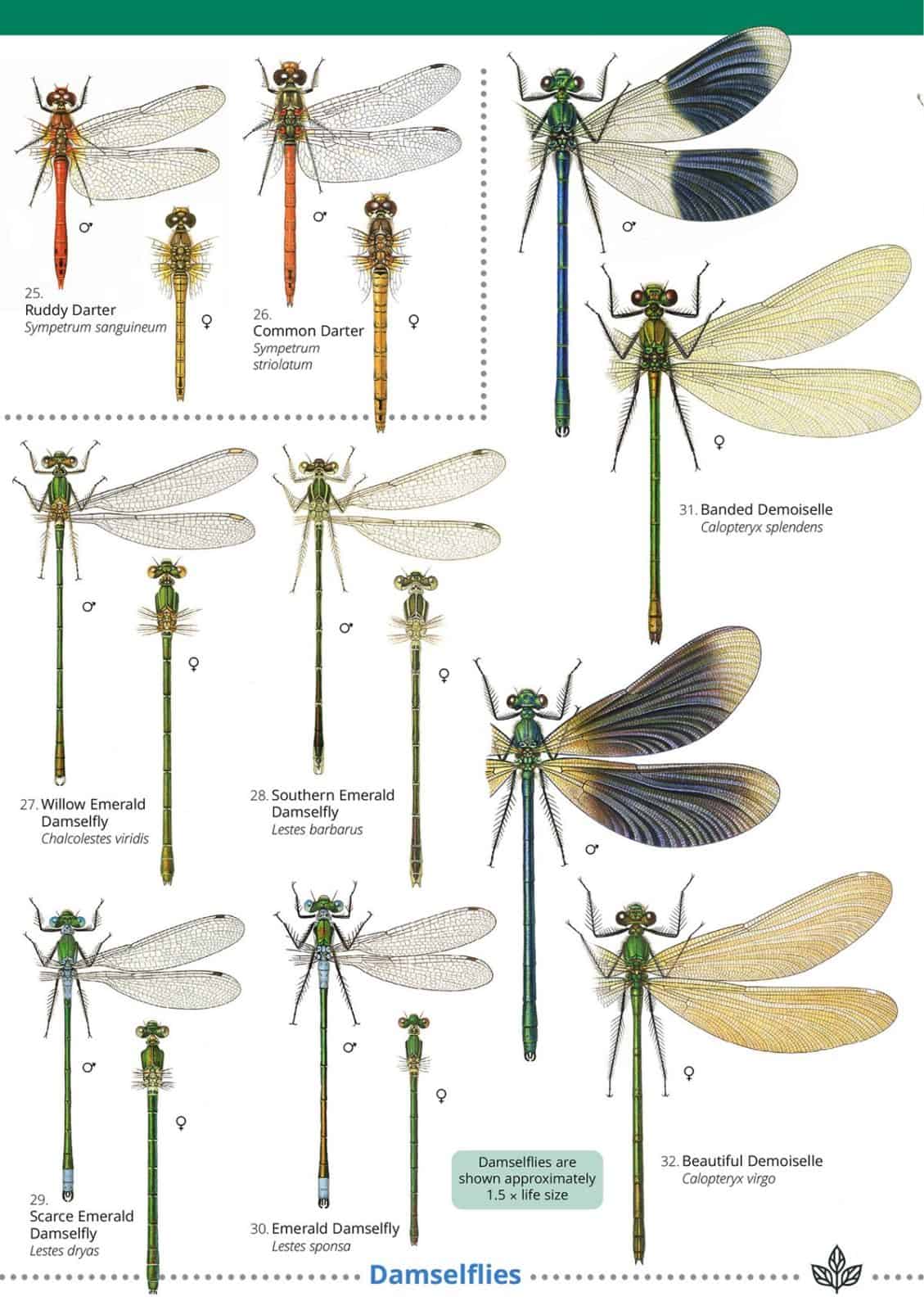
Common Dragonfly Species
A beginner’s guide to identifying familiar dragonflies around ponds, wetlands, and gardens.
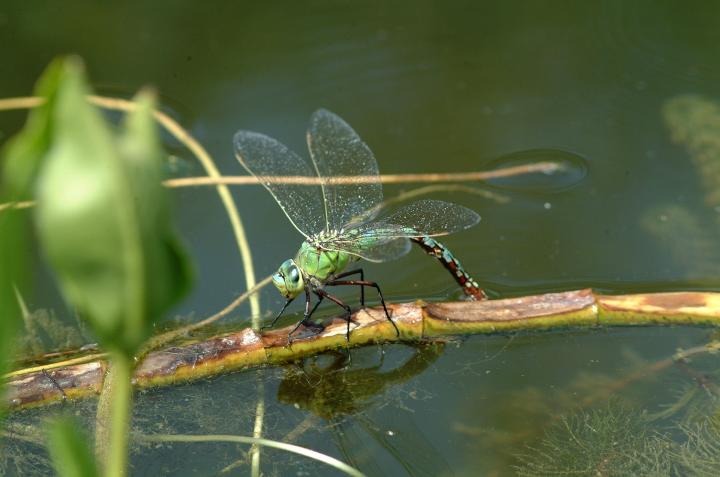
Do Dragonflies Live Near Ponds?
Why dragonflies are so closely connected to water, aquatic plants, and freshwater habitats.
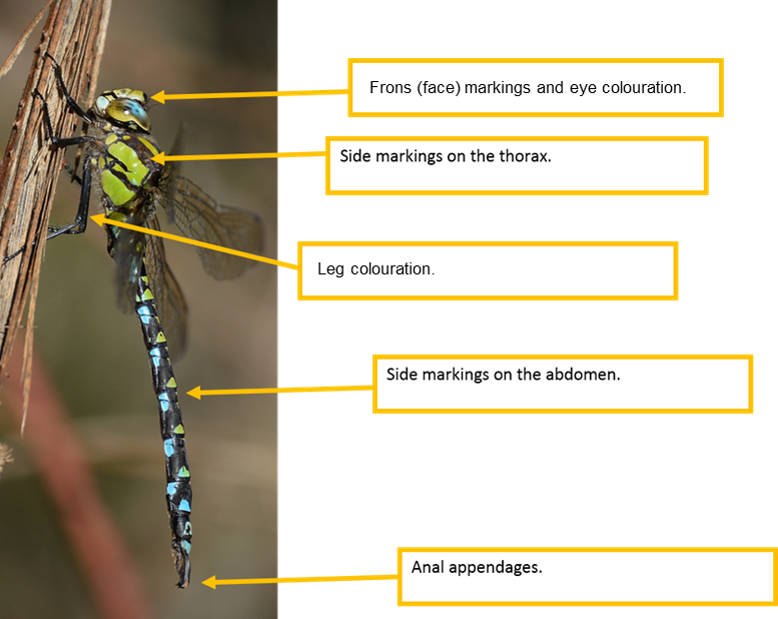
Interesting Facts About Dragonflies
Learn about dragonfly speed, vision, life cycle, hunting behavior, and freshwater importance.
Clear Dragonfly Education, Written for Real Readers
Dragonfly Facts aims to explain dragonfly biology, identification, habitat, larvae, diet, behavior, and symbolism in a calm, beginner-friendly way. We separate natural history from folklore and update content when clearer information or better sources are available.